
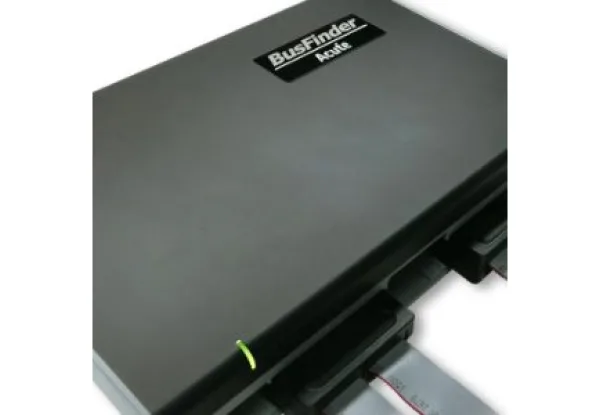


BF7264 Pro Protocol Analyzer
The BF7264 – Acute Pro Protocol Analyzer (BusFinder Protocol Analyzer) is a high-performance diagnostic tool designed for engineers working with complex embedded systems and high-speed serial interfaces. It features real-time data display and post-capture waveform analysis, providing robust insight into signal integrity and protocol behavior. With support for 64-channel logic analysis and a generous 32Gb total memory capacity, the BF7264 allows for extended protocol recording and deep system visibility.
Its advanced triggering capabilities enable targeted captures based on commands or data patterns, while its protocol monitoring mode works like a dash camera—ideal for continuous long-term surveillance over days or even months. The analyzer includes different active probes optimized for specific protocols, ensuring accurate and reliable connections during testing. Supported protocols include eDP 1.4a, eMMC 5.1, MIPI D-PHY 1.2, NAND Flash, SD 3.0 (SDIO 3.0), SD 4.1 (UHS-II), SGMII, and UFS 2.1.
Engineered for flexibility and precision, the BF7264 is an essential tool for protocol compliance validation, system debugging, and embedded system development.
Protocol Analyzer is a PC-based tool with a USB 3.0 interface, making it professional, reliable, and cost-effective. It acts as both a Protocol Logger and a Protocol Monitor, offering versatility for various applications.
Functions:
- Real-time data display and post-capture waveforms
- Trigger for commands or data
- Different active probes for different protocols for easier connections
- Filter data to save more commands
- Hide data for easy reading
- Search data for quick finding
- Statistics for commands and data
- Two voltage detects to find design bugs from voltage drop
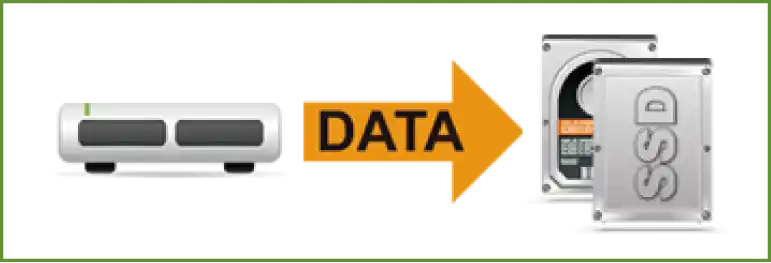
- Use PC hard disk (SSD) to log long-term data
- Protocol monitor like a dash camera for long-term surveillance (months)
Protocol Options:
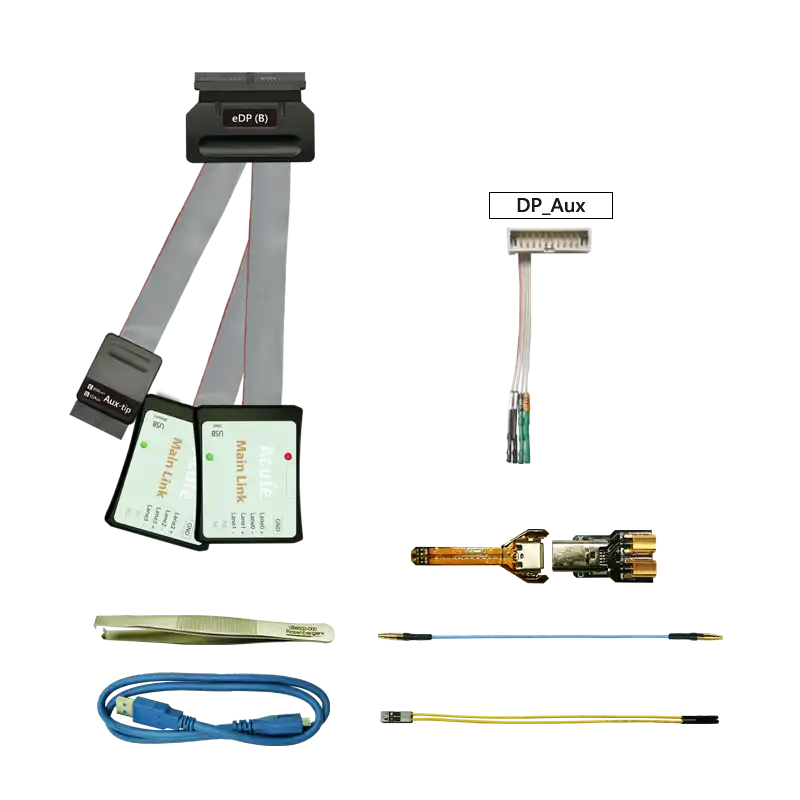
- eDP1.5 Option: Support eDP 1.4a, up to 5.4Gbps/per lane, 4 lanes
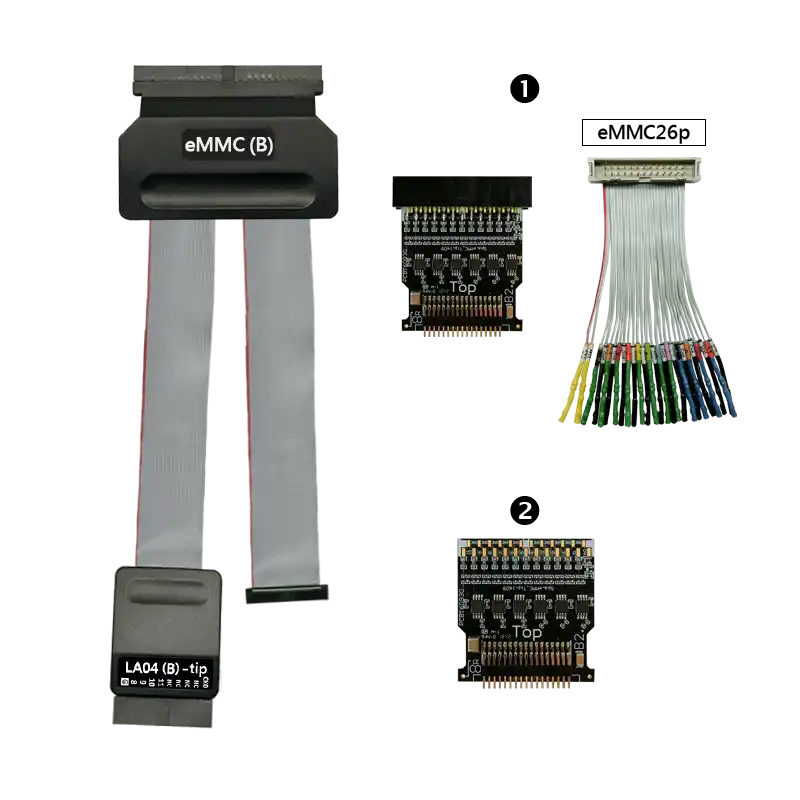
- eMMC Option: Support eMMC 5.1 HS400 / HS200 / CMD Queue
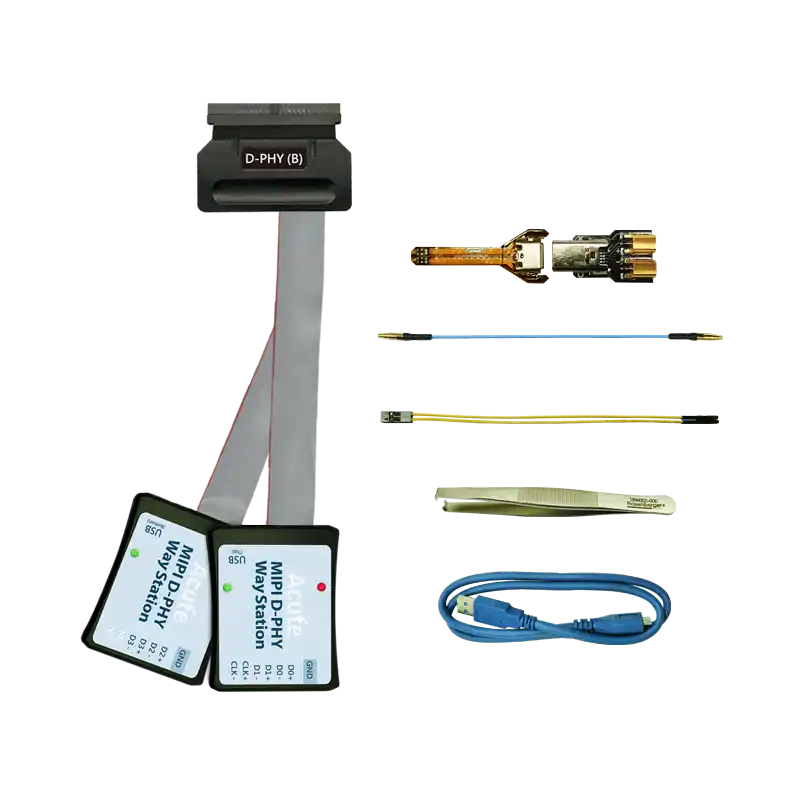
- MIPI D-PHY 1.2 Option: Support D-PHY V1.2, up to 2.0Gbps per lane, 1 + 4 lanes
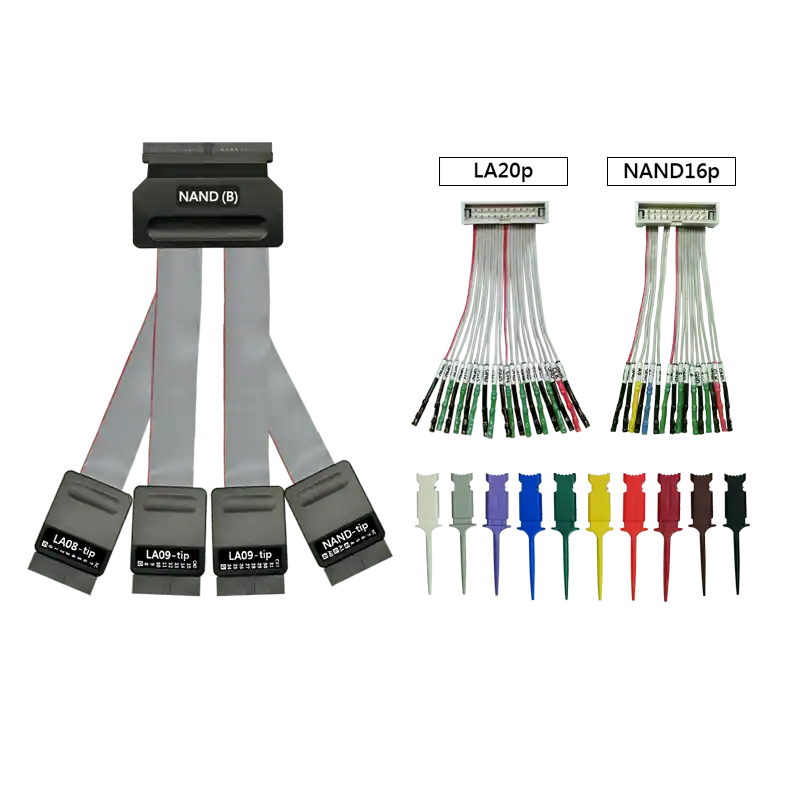
- NAND Flash Option: Support ONFI 4.1 (NV-DDR3), Mode 8 / Toggle DDR 2.0~267MHz
- SD 3.0 (SDIO 3.0) Option: Support SD 3.0 SDR104 / SD 6.0 Legacy mode SDR104, DDR200, Command Queue / SDIO 3.0
- SD 4.1 (UHS-II) Option: Support UHS156, up to 1.56Gbps per lane
- SGMII Option: Speed support 1000M, 100M, 10M
Support Logic Analyzer:
- 4GHz timing analysis
- 8-state flow chart bus triggers
- Bus decodes with waveforms
- Stacks with a DSO to form an MSO
Options:
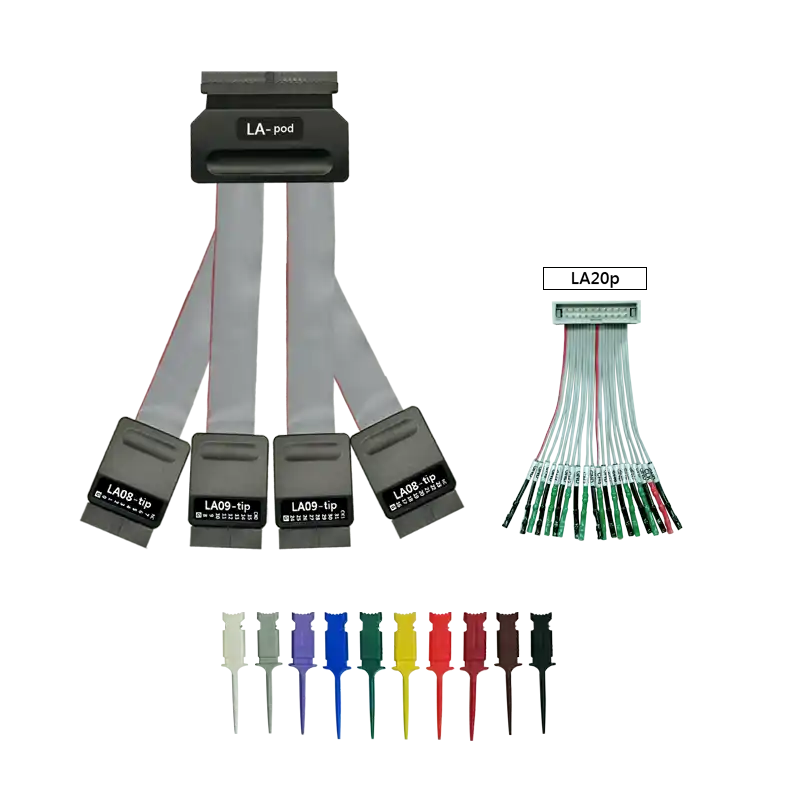
- LA: Support eMMC 5.1, NAND Flash, SD 3.0 (SDIO 3.0), Serial Flash (SPI NAND), SPI
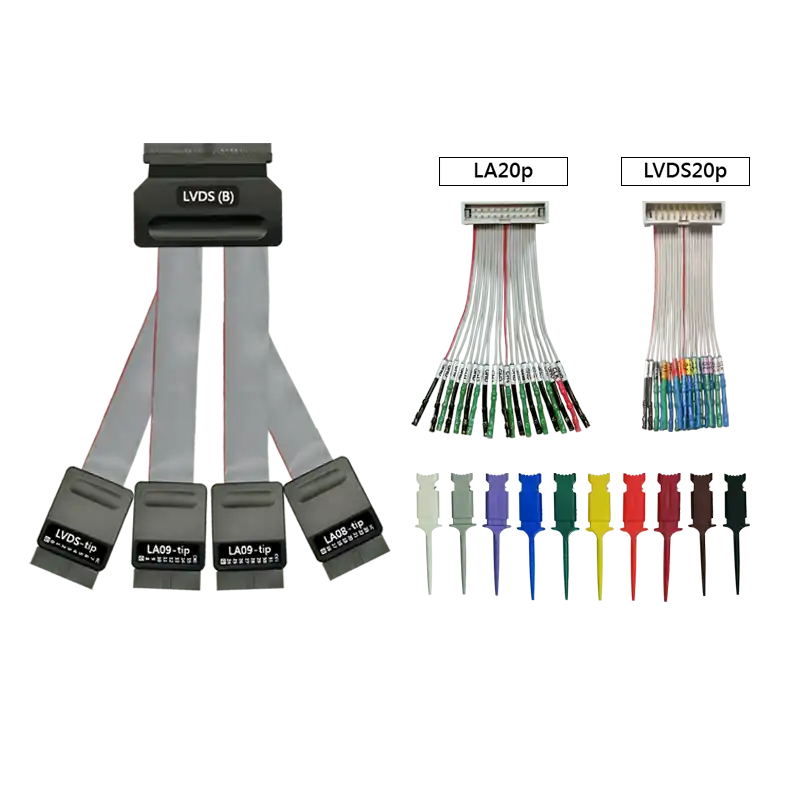
- LVDS: Low-voltage differential signal measurement supporting logic signals
Protocol Analyzer
It is hardware decoding, may log protocol data very long time if without waveforms. Application timing: Preliminary protocol debug.
Protocol Analyzer
Show real-time protocol data. Application timing: massive protocol data with some idles in between.
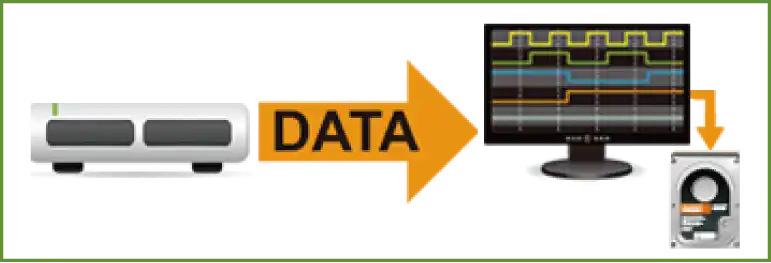
Protocol Logger
Like data logger, save massive data into SSD hard drive. Application timing: massive protocol data.
Protocol Monitor
Like dash cameras, record protocol data by the device’s memory only. Application timing: trigger event only happens in very long time.

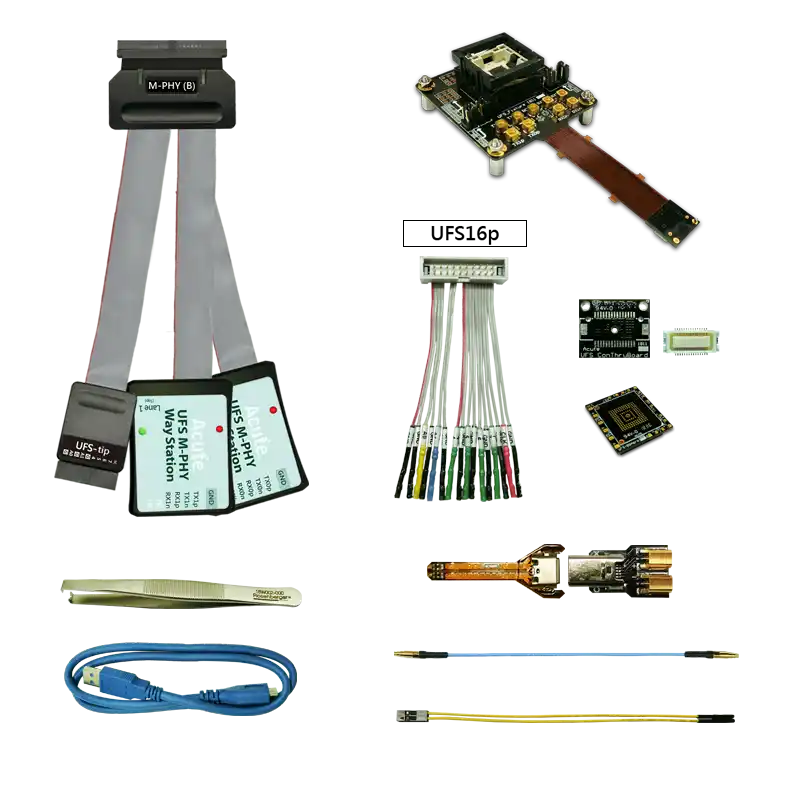
MIPI M-PHY UFS2.1 Option
eDP1.5 Option
eMMC Option
eMMC Option
NAND Flash Option
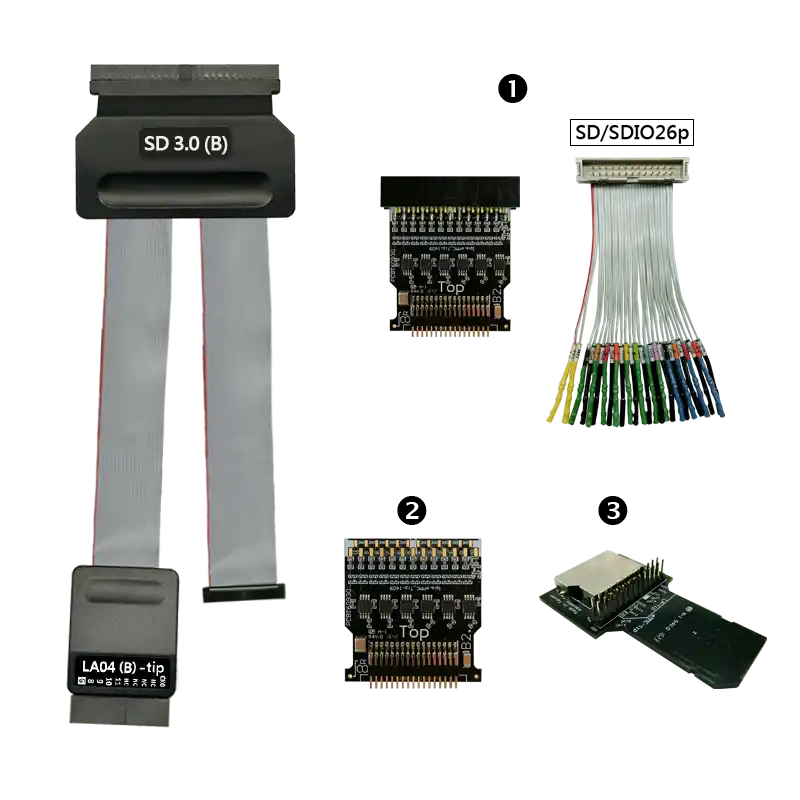
SD 3.0 (SDIO 3.0) Option
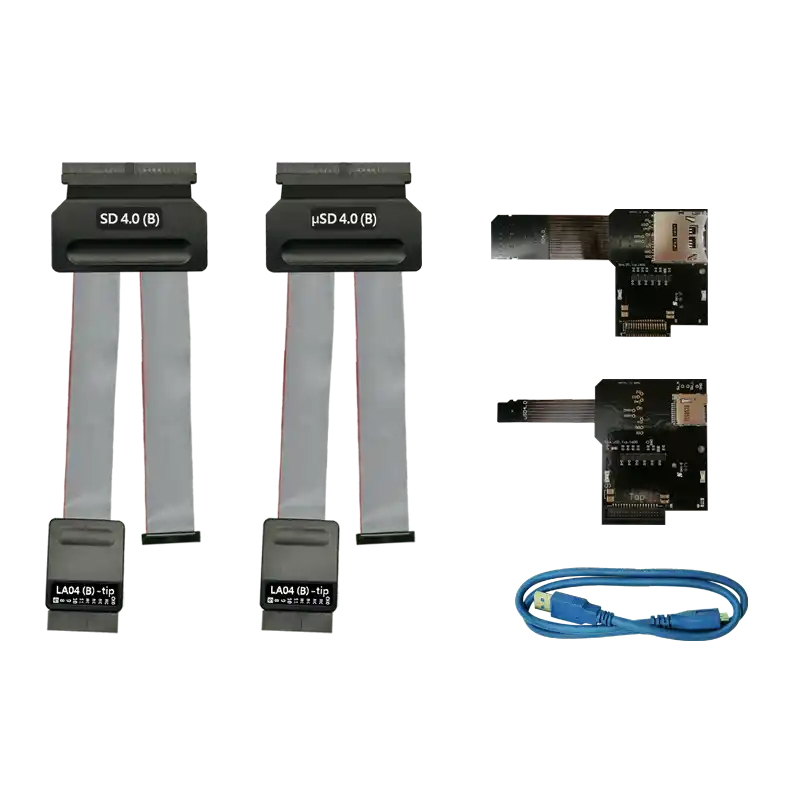
SD 4.1 (UHS-II) Option
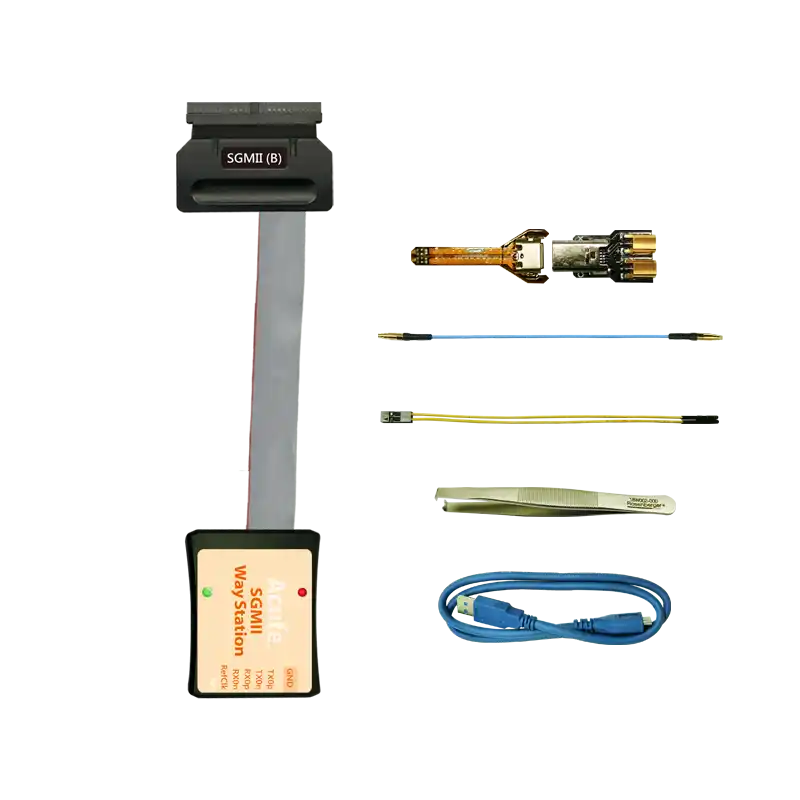
SGMII Option
Logic Analyzer (LA) Mode
- Capture digital waveforms and support bus decodes. Able to stack with a DSO to form as an MSO.
- Provides multiple storage modes, users could select to have long time recording or precision acquisition.

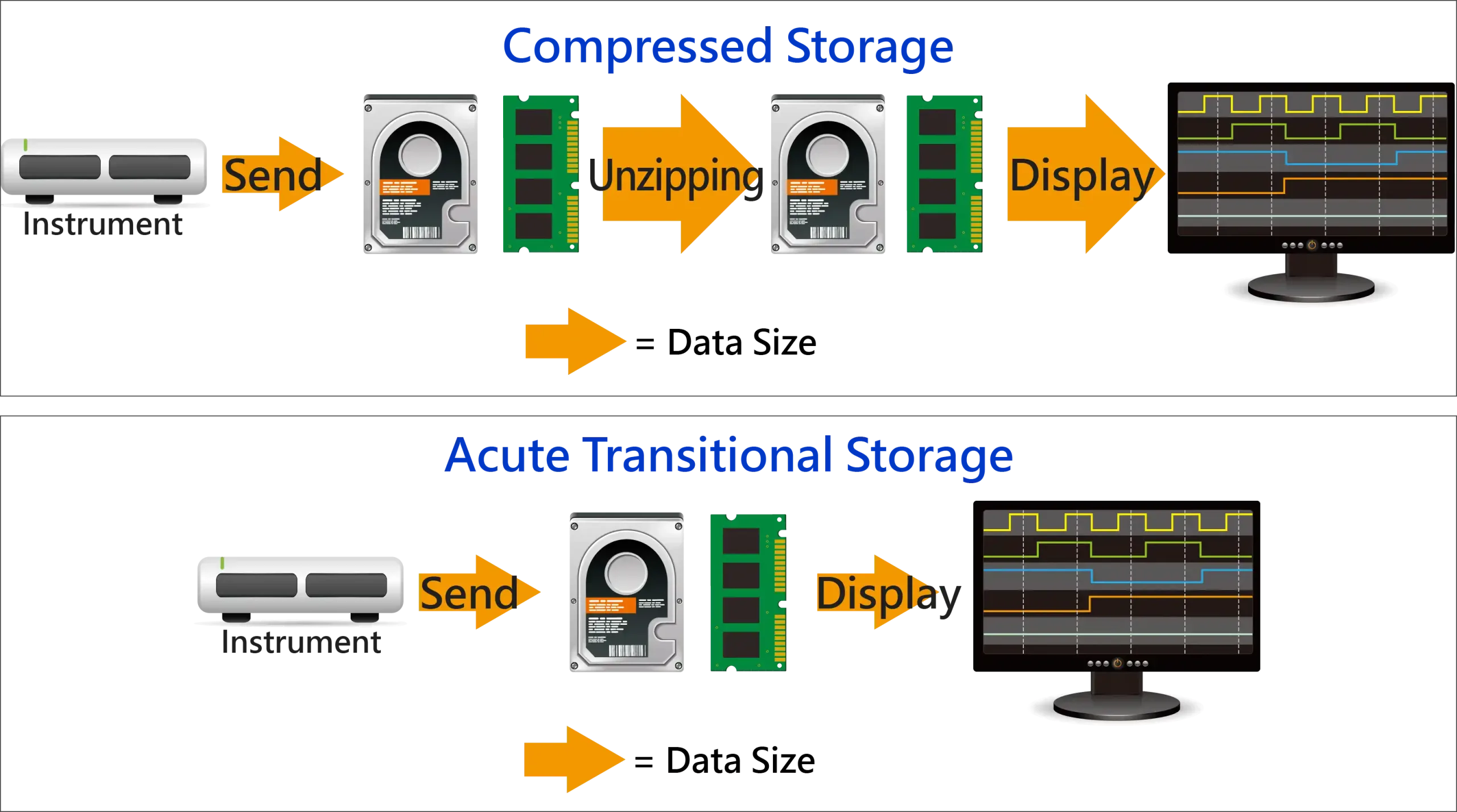
Long Time Record: Transitional Storage VS Compressed Storage
For signal capture and analysis, usually require to record the signal for a long time. If the data is stored in a compressed way, it will cause your software to lag or even stop functioning when decompressing the data after it is sent back to the computer. Because PC memory size might insufficient for decompressed data size. To satisfy the requirement of smooth software operation and long-term recording without missing any data, the storage method adopted by the Acute analyzer is transitional storage rather than compression. After returning to the PC software, it doesn”t need to do the decompression. The decoded results can be displayed while the analysis is finished.
LA Option
LVDS Option
| LA Spec. | |
|---|---|
| Power Source | 12V Power adapter |
| Static Power Consumption | 18W |
| Max Power Consumption | 45W |
| Hardware Interface | USB 3.0 |
| Timing Analysis (Asynchronous, Max. Sample Rate) | 4GHz |
| State Clock Rate (Synchronous, External Clock) | 400MHz |
| Storage | Conventional Timing, Transitional Timing |
| Channels | 64 |
| Total Memory | 32 Gb |
| Timing Analysis | Available Chs (Conventional / Transitional Timing) – Memory per Ch |
| 4GHz Timing [Available Chs] – Memory per Ch | [16 / 16] – 1Gb |
| 2GHz Timing [Available Chs] – Memory per Ch | [32 / 32] – 1Gb |
| 1GHz Timing [Available Chs] – Memory per Ch | [64 / 64] – 500Mb |
| 500MHz Timing [Available Chs] – Memory per Ch | [64 / 64] – 500Mb |
| 250MHz Timing [Available Chs] – Memory per Ch | [64 / 64] – 500Mb |
| Channel to channel skew | < 250 ps |
| Input channels | N/A |
| Input impedance | See Tip specification |
| Max. (Non-destructive) | N/A |
| Input operation | See Tip specification |
| Input sensitivity | See Tip specification |
| Threshold group | See Tip specification |
| Threshold range | See Tip specification |
| Threshold resolution | See Tip specification |
| Threshold accuracy | N/A |
| Trigger resolution | See Tip specification |
| Trigger types | Channel, Pattern, Single / Multi Level, Width, Time-out, External |
| Protocol Trigger | OptionLA Probe: eMMC 5.1, NAND Flash, SD 3.0 (SDIO 3.0), Serial Flash (SPI NAND) |
| Protocol Analyzer | Option: eDP1.4a, eMMC 5.1, MIPI D-PHY 1.2, NAND Flash, SD 3.0 (SDIO 3.0), SD 4.1 (UHS-II), SGMII, UFS 2.1 |